
Visited 14 times, 1 visit(s) today
Last modified: March 18, 2026
Written by Team LNC• February 19, 2025• 6:59 pm• CLIMATE & ENVIRONMENT, FORESTS & RAINFORESTS, WILDLIFE & BIODIVERSITY
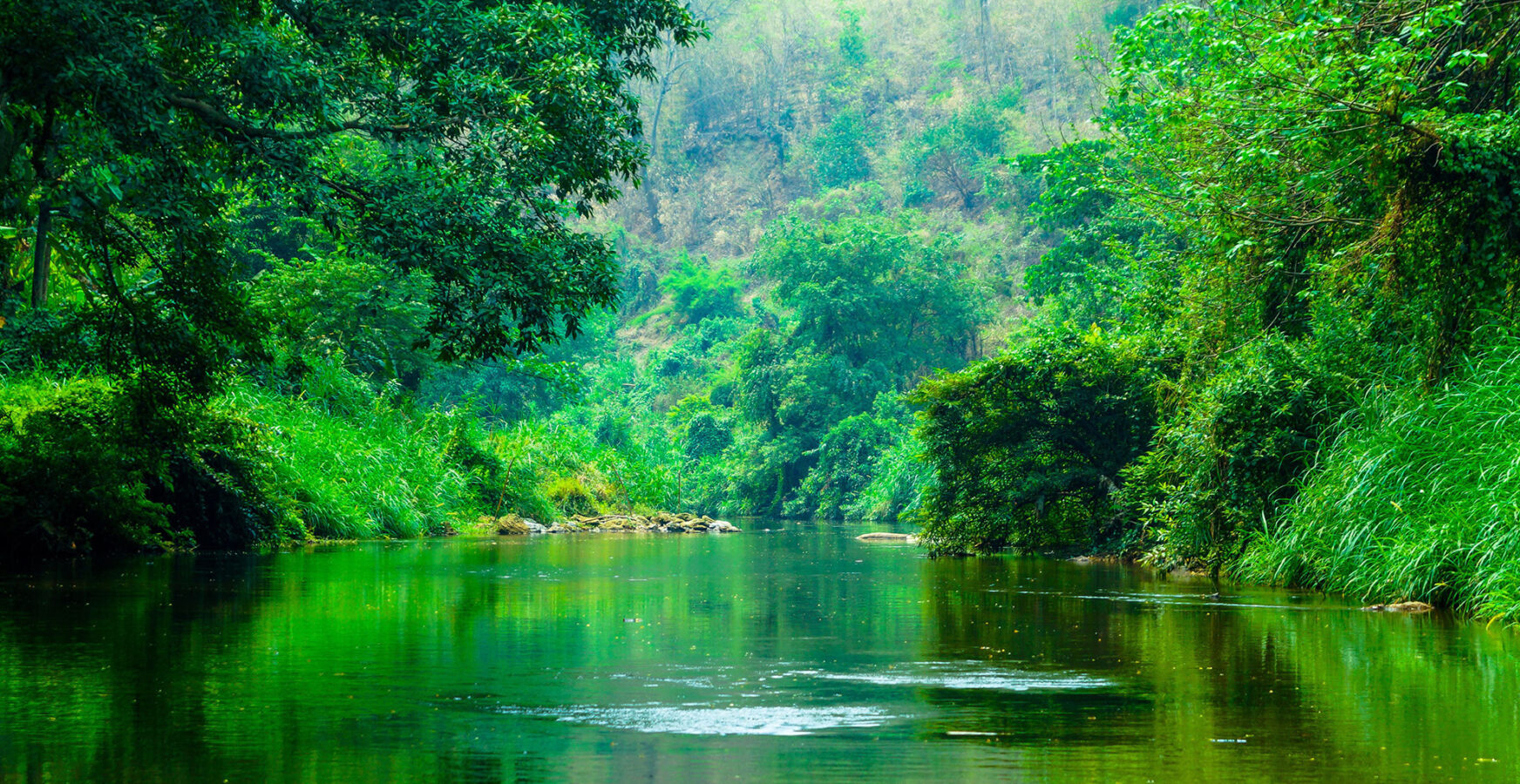
Eco System Conservation: Nature’s Lifeline for Sri Lanka
සොබා අරණ NEWS LETTER EDITIONS
Conservation Updates
Get In Touch
Lanka Nature Conservationists
19, Piyarathanarama road,
Dehiwala., Colombo,
Sri Lanka
Call us: +94 71 393 6209
© 2026 Lanka Nature Conservationists • Lanka Nature Conservationists (LNC) is a voluntary, non-profit association of wildlife and nature enthusiasts dedicated to protecting Sri Lanka’s biodiversity. Formed by past members of the Young Zoologists Association of Sri Lanka (YZA), LNC brings together experienced conservationists who have re-grouped to support the protection of the nation’s fauna, flora, and natural ecosystems.
SOLUTION BY SPINX DESIGNS
SOLUTION BY SPINX DESIGNS